Branks Randomly Didnt Work Then Started Working Again
v fixes when your PC randomly won't turn on
The Complete Guide to PC Gaming
PC Gamer is going dorsum to the basics with a series of guides, how-tos, and deep dives into PC gaming'due south core concepts that we're calling The Complete Guide to PC Gaming. There'due south much more than to come, and information technology'due south all being made possible by Razer, which stepped upward to back up this months-long project. Thanks, Razer!
We already covered some of the common reasons why a newly assembled PC might not boot, such as plugging in the front panel connectors (and specifically the power switch) incorrectly and missing motherboard standoffs. If you're having an issue with a new build, you should definitely cheque that out. Still, information technology's not ever brand new PCs that can exist problematic.
1 of the worst feelings is when a formerly reliable PC suddenly stops turning on. We have for granted that when we ability down our system, it will dutifully fire support the side by side time we want to apply it. Even if yous leave your PC running 24/vii, you might one solar day find that information technology's turned off and won't come back to life. Either style, it's a gut punch, but non necessarily the end of the world.
There are various reasons why an old PC will of a sudden not plough on. Tripping over the power cord is one of them, simply unless yous sleepwalk, yous'll know if that's the case. And so, we'll skip that 1 and spring correct into five reasons why your onetime PC will no longer kick.
one. Check the surge protector or UPS
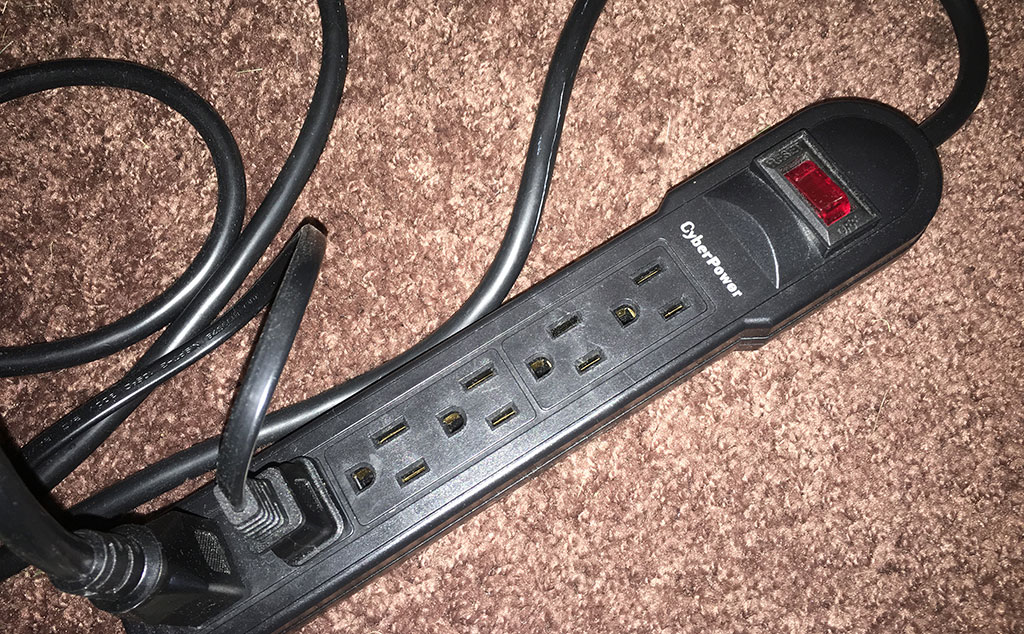
Is your PC plugged into a surge protector or uninterruptible power supply (UPS), otherwise known equally a battery backup? While this sounds like the equivalent of request 'Is information technology plugged in?' it'south actually very easy to overlook, specially if y'all have pets or kids. Even though the surge protector is plugged into the wall, if the power switched gets accidentally bumped to the off position, your PC is not going to boot no matter how many parts you replace. Information technology'southward best to bank check this beginning earlier y'all start ripping hardware (or your pilus) out.
The same affair applies after a power outage or lightning storm. Some power strips with born surge protection have a reset switch that needs to exist pressed afterwards arresting a power surge. Y'all can exam if your surge protector or battery backup is the culprit piece of cake enough—but plug a known working electronic into one of the sockets, like a lamp, and meet if turns on.
2. Change the CMOS battery
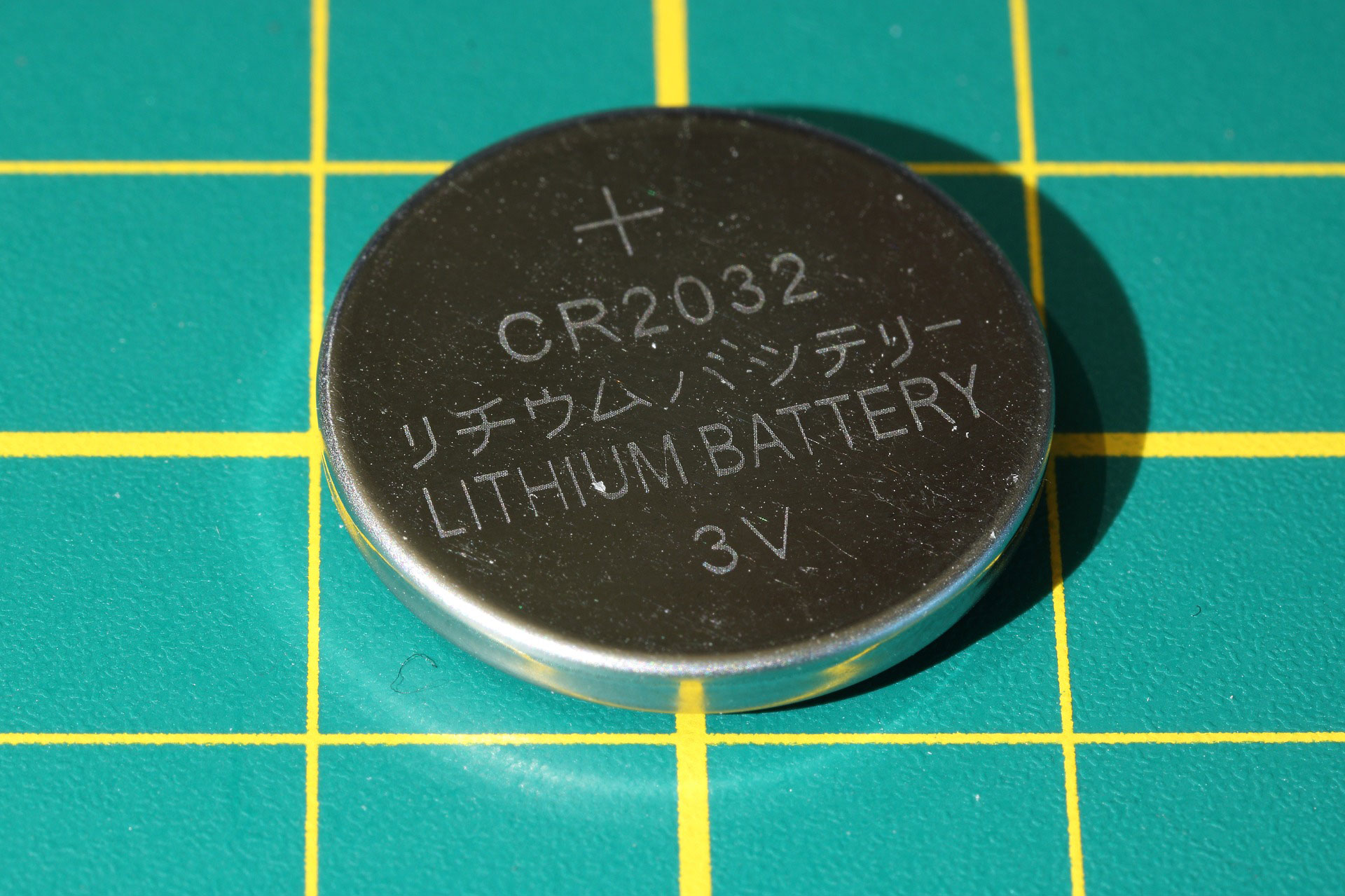
Every motherboard has a CMOS (complementary metallic-oxide semiconductor) battery. This is unremarkably a little CR 2032 3V coin cell battery, and is sometimes plant sandwiched betwixt PCI Express slots, though it tin can be just about anywhere (refer to your motherboard manual if you tin't discover it). This is what provides fill-in power to the CMOS scrap so that it tin think the date, time, and other settings when the PC is turned off.
In theory, a expressionless CMOS battery shouldn't prevent your PC from booting, it should mainly only mess with the time. In exercise, nosotros've seen it be the culprit. CMOS batteries typically last a long time, but if yous have an older PC that is existence stubborn, it only costs a few bucks to buy a new one and swap information technology out with the potentially dead i. After yous do this, and assuming it solves the problem, hop into the BIOS to make sure none of the settings take been changed.
3. Test the RAM (if you can)
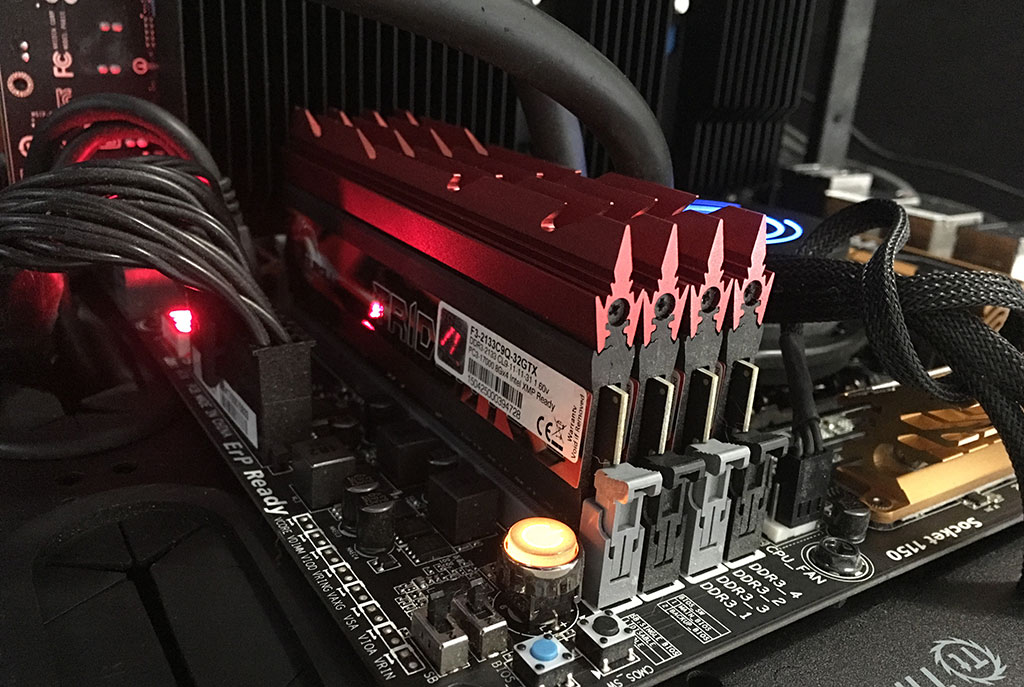
One of the signs that your RAM is to blame for a not-booting PC is one or more than seemingly random blue screen of death (BSOD) errors that preempted your system's permanently powered off state. If you take access to a spare PC with uniform DIMM slots, you can test your RAM using Memtest86+, an older only popular diagnostic. While time consuming, information technology's best to test one module at a fourth dimension, every bit it'southward unlikely (though not incommunicable) that multiple modules suddenly went bad.
Another option, and ane that is quicker, is to endeavor booting your arrangement with just a single stick of RAM. This only applies if you're using two more than memory modules as function of a dual-channel or quad-aqueduct kit. If one of the sticks is bad, attempting to kick with one module at a time volition narrow downward the culprit by process of emptying.
4. Lower the rut
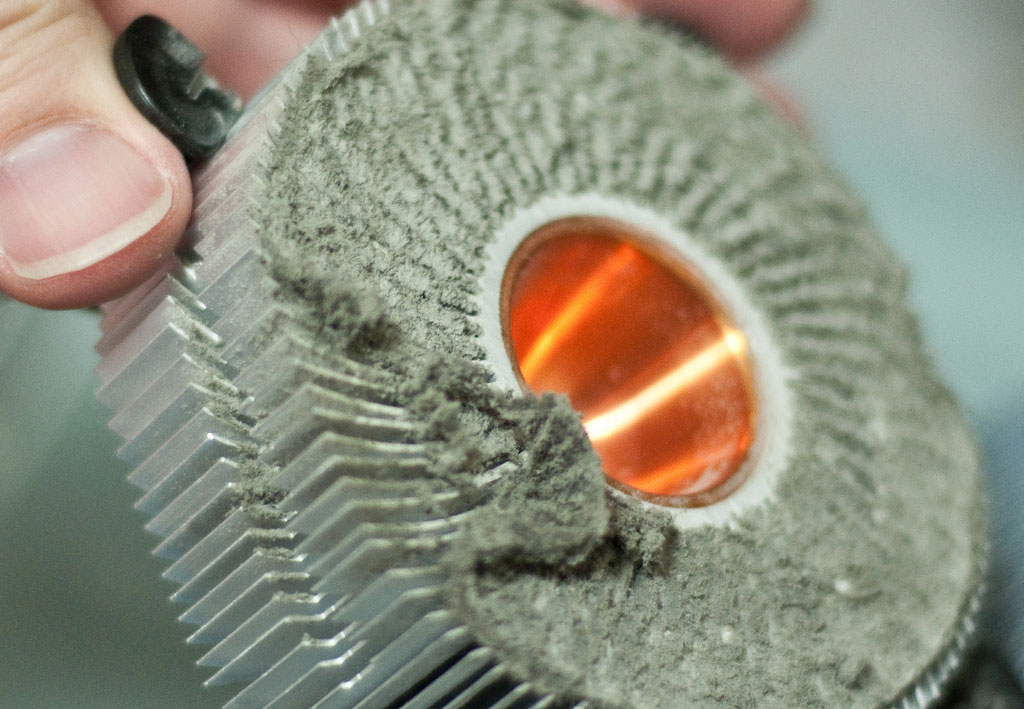
It's more hard these days to actually fry a processor. Typically a modern arrangement will shut itself off before that happens, and if your PC turns on for a 2nd or two before losing power again, information technology could indicate that your CPU's temp is rising too high and likewise quickly.
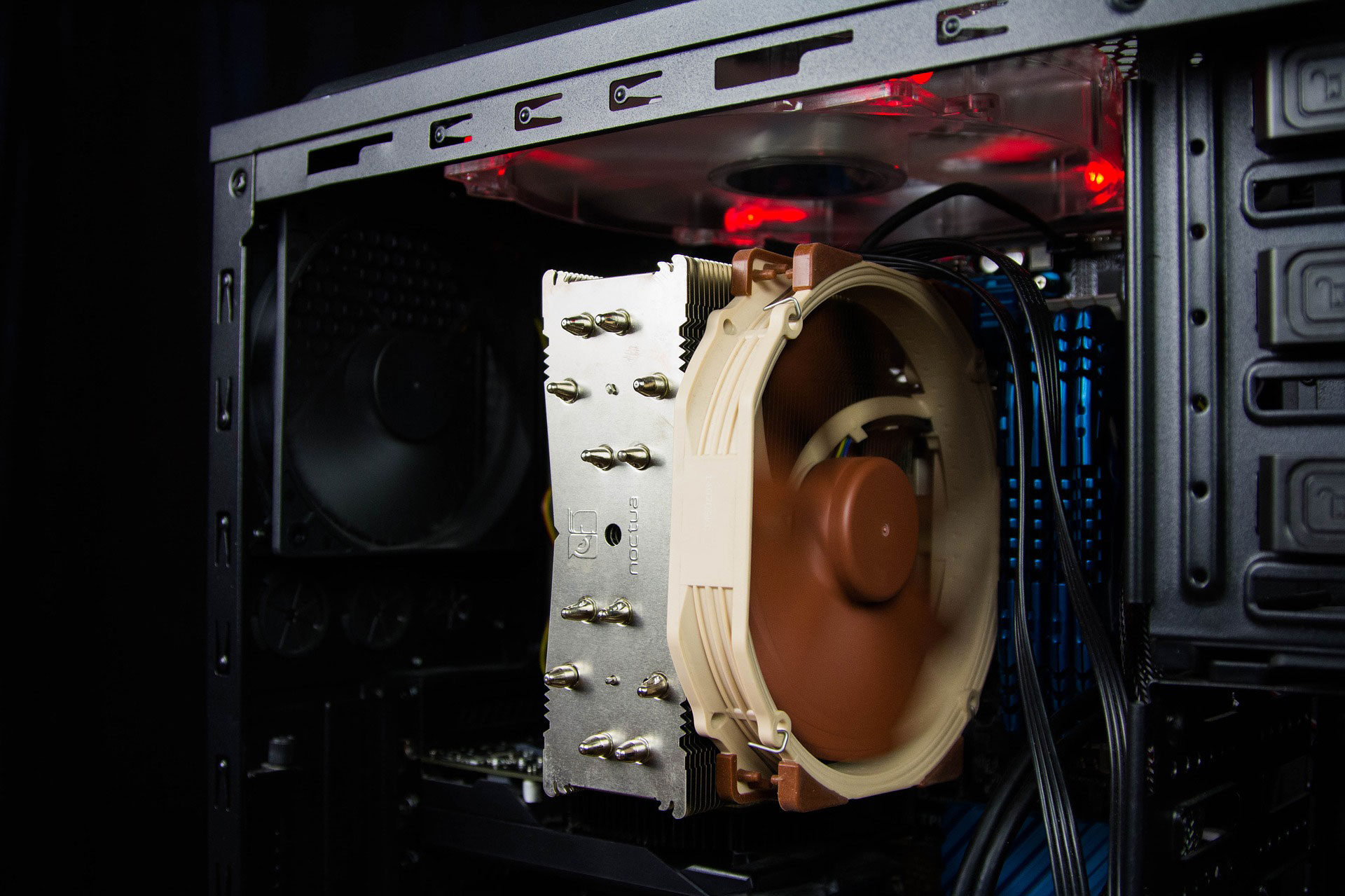
You probably don't demand to reseat your CPU libation, not unless your overexcited labrador bumped into your case and jarred things loose. Nevertheless, depending on the age of your PC, information technology'due south possible the thermal paste between your libation and the CPU's integrated heatspreader (IHS) could have dried up. Cleaning off the quondam, crusty paste and applying brand new goo can significantly reduce temps, and potentially revive a non-booting PC.
Don't stop in that location. While you're at it, now is a skilful time to blast out any grit bunnies that might have taken residence in your PC. A few blasts from a tin of compressed air will exercise the trick. This is specially important on fans and heatsinks. Dust that builds on either can act equally a shield against proper airflow.
5. Dial back the overclock
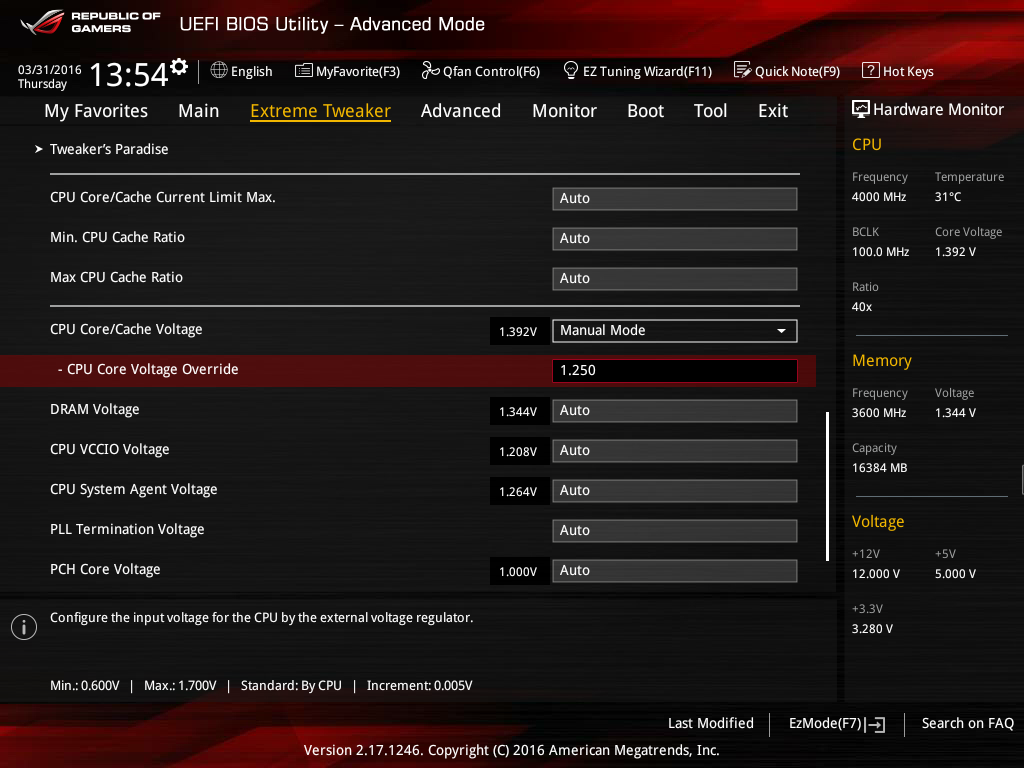
Overclocking is a funny matter. Everything tin seem fine i day, and then the next twenty-four hours you're right back to retesting settings to detect a stable OC. An overclock that is too aggressive can stop your PC dead in its tracks. This is truthful even if everything seemingly worked fine earlier.
If yous're able to go into the BIOS, become in in that location and dial things downward, or revert to stock settings to see if that does trick. Entering the BIOS is not always possible. I had an older Gigabyte motherboard that was choosy with overclocked settings and would play expressionless any time I shut it off. The only recourse was to clear the CMOS and then that the mill settings would be reapplied. Some motherboards have a button that makes this like shooting fish in a barrel, others require fiddling with a jumper. Consult your motherboard manual on how to exercise this on your specific mobo.
1 word of circumspection: If you lot're running two more drives in RAID, resetting your BIOS can destroy the RAID array if you don't get back in and select RAID. The default setting is typically IDE or AHCI. Be sure to prepare this back to RAID if that's how your kicking bulldoze is configured.
Source: https://www.pcgamer.com/5-fixes-when-your-pc-randomly-wont-turn-on/
0 Response to "Branks Randomly Didnt Work Then Started Working Again"
Post a Comment